
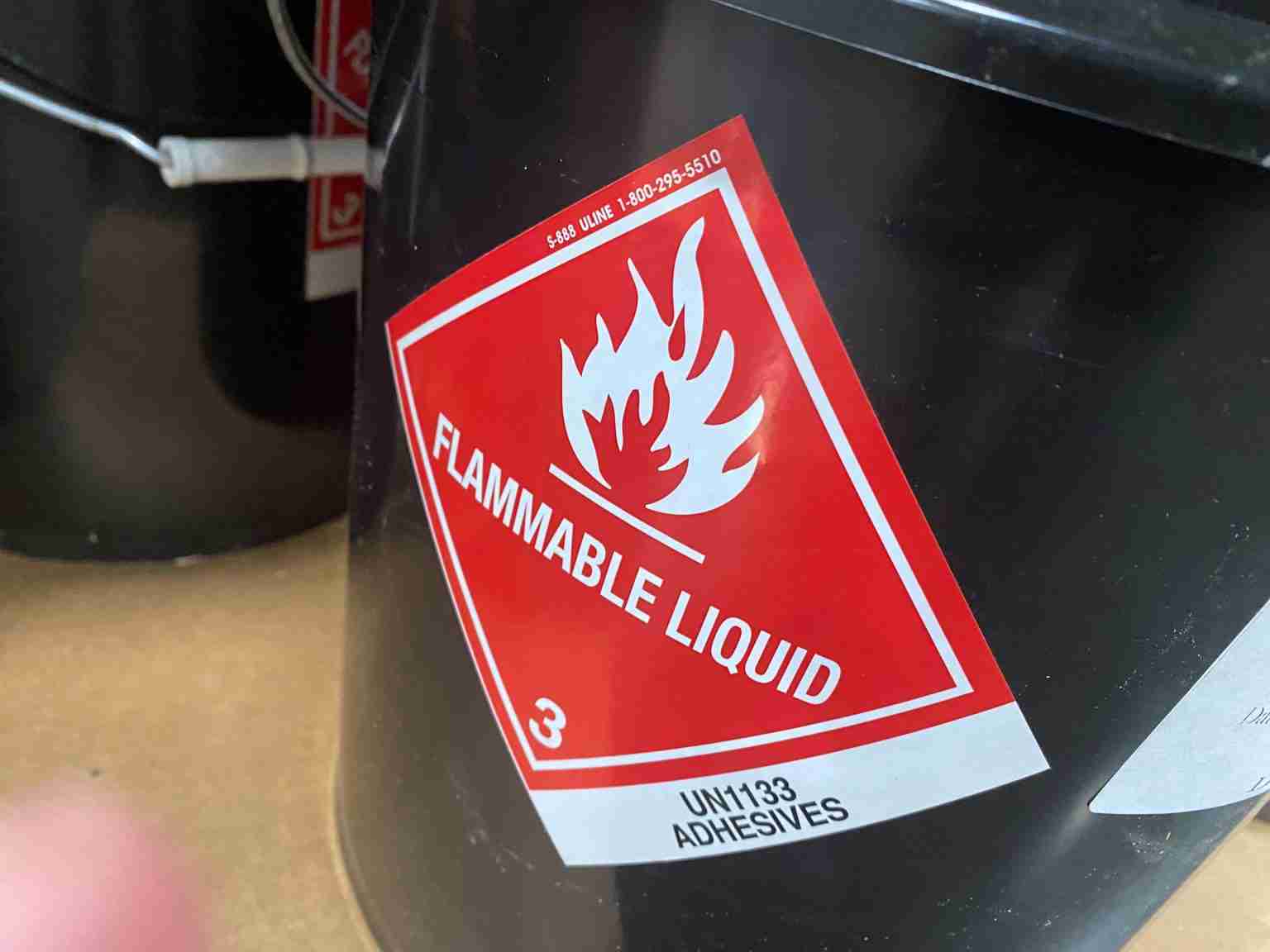
Some items are not safe to toss in the regular trash. Old paint, chemicals, batteries, cleaners, and other risky materials need special care because they can harm people, property, and the environment if handled the wrong way.
This is especially important during an estate cleanout, where unknown or outdated items may be found in garages, sheds, or storage areas. A safe junk disposal plan helps you sort what can be hauled away and what needs special handling.
For a hazardous material disposal service in Fort Mill, SC, it is important to know your options first.
What Hazardous Items Can Junk Removal Companies Take?
This depends heavily on the company, the item, and local disposal rules. Many junk removal companies can take a wide range of ordinary unwanted items, but when materials are flammable, corrosive, toxic, reactive, pressurized, or otherwise regulated, the answer changes quickly. The EPA’s household hazardous waste guidance lists paints, cleaners, oils, batteries, and pesticides among common products that need special care at disposal.
Some “Problem Items” Are Not the Same as True Hazardous Waste
People often use the word hazardous for anything messy, unpleasant, or hard to get rid of. But from a disposal standpoint, there is a difference between:
- Bulky junk that is awkward to haul
- Electronics that need separate recycling
- Household hazardous waste
- Truly toxic or dangerous materials needing specialized handling
A junk removal company may help with the first category easily and may sometimes help with the second, but the third and fourth categories often require more specific disposal pathways. That is why safe junk disposal starts with identifying what the material actually is, not just whether it feels risky.
Common Household Hazardous Waste Examples
According to EPA and North Carolina DEQ guidance, common household hazardous waste may include:
- Oil-based paints and paint thinners
- Pesticides and herbicides
- Household cleaners with hazardous ingredients
- Motor oil and automotive fluids
- Batteries
- Adhesives and solvents
- Aerosols
- Nail polish remover and similar personal care chemicals
- Fertilizers and certain pet-care chemicals
What This Means for Homeowners
If your project is a garage purge, renovation cleanup, or estate cleanout, a junk removal team may still be extremely helpful for the non-hazardous part of the job. But they may separate out certain items and tell you those need to go to a county HHW site, battery recycler, or electronics drop-off instead.
That does not mean the company is not helpful. It means they are following the rules that protect your property, their crew, and the environment.
Do Junk Removal Companies Handle Chemicals or Paint?
Sometimes, but often not in the way customers hope. Many standard junk removal services will not simply load unknown chemicals, partially filled paint cans, mixed fluids, or leaking containers into a truck because these materials can create safety and compliance problems during transport and disposal.
The EPA specifically advises against pouring household hazardous waste down the drain, on the ground, or into storm sewers, and Mecklenburg County directs residents to dedicated HHW drop-off centers for household hazardous waste.
Paint Is One of the Most Common Problem Items
Paint comes up constantly during moves, garage cleanouts, and estate cleanout projects. The issue is not just the can itself. It is whether the paint is latex or oil-based, whether it is empty or full, and whether local disposal rules treat it as household hazardous waste. North Carolina DEQ includes paint among common HHW materials, and EPA’s guidance does as well.
Chemicals Usually Require More Caution
Unlabeled bottles, old cleaning supplies, automotive fluids, pesticides, and mixed chemicals are where things get more restrictive. A junk removal team may ask you to set those aside, identify them, or take them to a local HHW facility rather than include them in general pickup.
This is one reason hazardous material disposal service in Fort Mill, SC searches are so common. People often discover these items only after they start cleaning.
A Practical Rule of Thumb
If the item is:
- Leaking
- Unlabeled
- Flammable
- Pressurized
- Corrosive
- Strongly toxic
- Likely to react with other waste
You should assume regular junk removal may not be the right disposal method until the company confirms otherwise. That is not a limitation of good service. It is part of proper safe junk disposal.
How Do Professionals Dispose of Hazardous Waste Safely?
Professionals handle hazardous waste safely by identifying the material first, separating it from general junk, and routing it to the right approved collection, recycling, or disposal channel.
EPA’s HHW guidance emphasizes special handling for household hazardous waste, and local programs such as Mecklenburg County’s HHW drop-off system provide the collection infrastructure residents are expected to use.
Step One Is Identification
The first job is figuring out what the item is. That may sound obvious, but during a garage cleanup or estate cleanout, people often find containers with faded labels, mixed boxes of chemicals, old paint, batteries, and electronics all stacked together. Safe handling starts by not guessing.
Step Two Is Separation
Hazardous items should not be mixed loosely with furniture, household trash, wood scraps, or regular moving debris. Keeping them separate reduces the risk of spills, reactions, fire hazards, or contamination. This is one of the most basic principles behind safe junk disposal.
Step Three Is Approved Handling or Drop-Off
For household hazardous waste, the safest route is often a designated local HHW facility or event. Mecklenburg County residents can bring household hazardous waste to its full-service drop-off centers, and North Carolina DEQ provides a map of HHW programs across the state.
Electronics Follow a Different Path
Electronics are often handled separately rather than treated as ordinary junk because they can contain heavy metals and other substances requiring special handling. EPA points out that electronics may contain hazardous substances and should be safely recycled or managed through qualified recyclers.
Can Junk Removal Take Electronics or E-waste?
Often yes, but electronics usually fall into a separate category from general junk, and disposal rules can be stricter. EPA says electronics contain valuable materials but can also contain hazardous substances that require special handling or recycling. Mecklenburg County also offers a dedicated electronic waste disposal program, and North Carolina bans TVs and computers from landfill disposal.
E-waste Is Not Ordinary Trash
Many homeowners assume they can toss out:
- Old TVs
- Desktop computers
- Monitors
- Printers
- Stereo equipment
- Wires and accessories
But electronic waste often has to be recycled through the right channels. Mecklenburg County specifically notes that TVs and computers are illegal to dispose of in landfills in North Carolina.
Some Junk Removal Companies Help With E-waste Logistics
A junk removal company may be able to pick up electronics and then take them to the correct recycling destination, depending on its services and local partnerships. Others may tell you to take them directly to a county recycling center. Either way, electronics are often easier to manage than chemical waste because there are clearer e-waste channels for residents.
For more context, this guide to responsible e-waste disposal services explains why electronics often require a more careful disposal plan.
Batteries Deserve Extra Attention
Lithium-ion batteries and other rechargeable batteries can be especially important to separate due to fire risk and special recycling rules. North Carolina DEQ advises residents to use battery drop-off options or HHW programs for lithium-ion batteries.
Are There Restrictions on Hazardous Materials For Junk Removal?
Yes, and these restrictions are one of the biggest reasons you should always ask before assuming an item can be loaded with everything else. EPA guidance makes clear that household hazardous waste requires special care, and local programs often have acceptance rules, exclusions, and handling instructions.
Why Restrictions Exist
Restrictions are there to protect:
- The removal crew
- Your property
- Transport safety
- Disposal facilities
- The environment
For example, a leaking solvent container in the back of a truck creates a very different problem than an old couch or box of books.
Commonly Restricted Materials
While rules vary, restrictions often apply to:
- Fuels
- Propane or compressed gas cylinders
- Unknown chemicals
- Pesticides
- Automotive fluids
- Certain batteries
- Oil-based paint
- Corrosive cleaners
- Biohazards
- Medical sharps
- Asbestos or materials requiring licensed abatement
EPA’s demolition-related HHW page specifically lists items such as motor oil, automobile batteries, paints and solvents, household cleaners, drain openers, pesticides, and compressed gas tanks as household hazardous waste that should be handled carefully.
This Is Where Clear Communication Matters
If you need hazardous material disposal service in Fort Mill, SC, be upfront. Tell the company exactly what you have. A junk removal provider can often help you separate what they can take from what must go through a specialized program.
Do I Need Special Services For Toxic or Dangerous Waste?
In many cases, yes. If the waste is truly toxic, reactive, highly flammable, medically risky, or otherwise dangerous, you may need a specialized hazardous waste or environmental cleanup service rather than a standard junk removal company.
Not All Dangerous Waste Belongs in the Household Category
Household hazardous waste programs are meant for certain consumer products from homes. But some materials go beyond that, especially if they involve:
- Commercial quantities
- Industrial chemicals
- Unknown drums
- Contaminated absorbents
- Asbestos
- Biohazards
- Medical waste
- Major fuel spills
- Toxic residues from illegal dumping
These situations usually need trained specialists and a different level of regulatory compliance. This is an inference based on EPA household hazardous waste guidance and the general distinction between HHW and broader hazardous waste regulation.
Estate Cleanouts Can Uncover Hidden Risks
An estate cleanout can sometimes reveal old pesticides, workshop chemicals, fuel containers, or decades-old garage storage that no one wants to handle. If these materials are intact household products, a county HHW facility may be enough. If they are damaged, leaking, or unidentified, special services may be the safer route.
Related transitions can be complicated, and this article on estate transitions and full-service junk removal explains how cleanup needs can expand during larger household projects.
Safer to Escalate Than Guess
If something looks unstable, smells strong, has no readable label, or appears dangerous to handle, do not try to tuck it into a normal junk pile. That is exactly when safe junk disposal means stopping and getting the right kind of help.
What Happens If Junk Removal Cannot Take Hazardous Items?
If a junk removal company cannot take certain hazardous items, that does not mean you are stuck. It usually means the items need to be routed through a more appropriate disposal or recycling system.
You May Be Directed to a County HHW Site
For homeowners in the Charlotte area, Mecklenburg County provides HHW drop-off and electronic waste disposal options at its full-service recycling centers. This is often the next step when a standard junk removal provider identifies materials it cannot legally or safely load.
You May Need a Specialty Recycler or Disposal Provider
For batteries, electronics, or certain specialty items, you may be referred to:
- Battery recycling programs
- Electronics recyclers
- Local HHW events
- Environmental cleanup providers
- Licensed hazardous waste contractors
North Carolina DEQ provides statewide HHW program information and battery recycling guidance that can help direct residents to the right outlet.
The Junk Removal Company May Still Help With the Rest
This is important. If you are cleaning out a garage, shed, or estate cleanout project, the company may still remove the furniture, boxes, appliances, scrap, and ordinary debris while you separately handle the restricted materials. That still delivers a major time savings and keeps the project moving.
A “No” Can Still Be Useful
When a company refuses to take certain items, that is often a sign of professionalism, not inconvenience. It shows they understand the importance of safe junk disposal and are trying to prevent the wrong materials from going into the wrong waste stream.
Final Thoughts
A standard junk removal company can be incredibly helpful during garage cleanouts, moving prep, renovation debris removal, and even large estate cleanout projects, but hazardous materials are where the process becomes more specialized. Paint, chemicals, batteries, pesticides, and e-waste often require separate handling through approved HHW or recycling programs, and truly toxic or dangerous materials may call for a dedicated hazardous material disposal service Fort Mill, SC or similar specialist.
The most important takeaway is simple: do not guess. If you are unsure whether something belongs in ordinary junk, ask first. Good safe junk disposal starts with identifying the material, separating it properly, and using the right disposal path. That protects your property, the cleanup crew, and the environment.
Get The Right Help For Safe Cleanup in Fort Mill, SC and Nearby Areas
While many unwanted items can be removed during garage cleanouts, moving prep, renovation projects, or an estate cleanout, some materials need special care. Paint, batteries, chemicals, pesticides, and e-waste may require approved disposal or recycling options.
At Trash & Stash Junk Removal, we know many cleanup jobs involve more than just bulky clutter. If you are unsure what can be hauled away, ask first. Safe junk disposal starts with the right guidance, proper sorting, and a responsible plan for every item.

