
Construction delays rarely come from one big mistake. More often, they’re the result of small issues piling up quietly until schedules start slipping and budgets tighten. Missed deliveries. Weather hiccups. Change orders. All expected.
But one of the most underestimated causes of project delays sits right there on the job site, often ignored until it becomes unavoidable: construction debris.
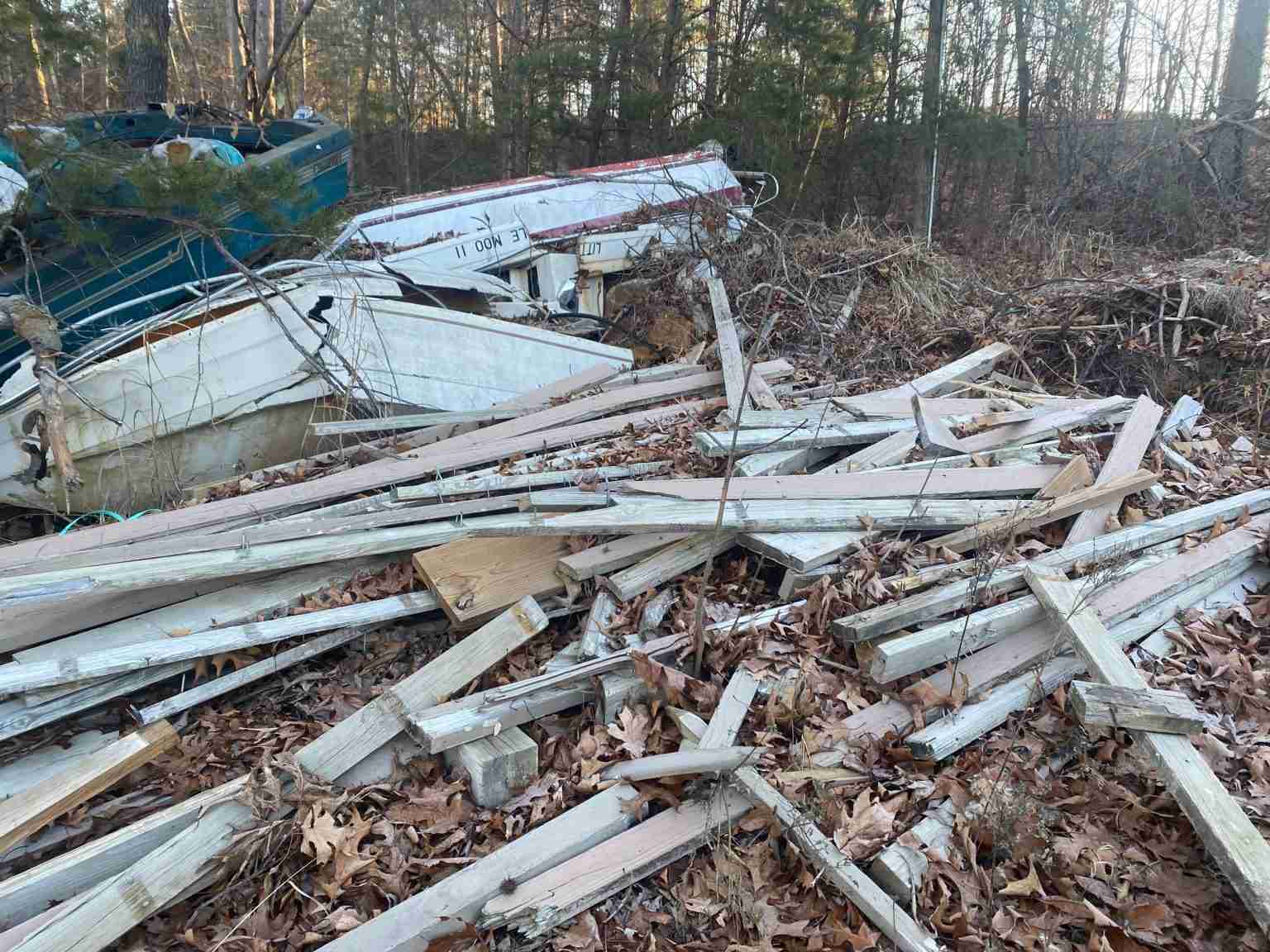
Scrap lumber stacked in corners. Broken drywall leaning against walls. Packaging, pallets, concrete chunks, old fixtures, and random materials with no clear home. Individually, none of it feels urgent. Collectively, it can derail an entire timeline.
Delayed construction debris removal doesn’t just make a site messy. It creates friction at every stage of the project, and that friction quietly eats time.
How Does Delayed Construction Debris Removal Affect Overall Project Timelines?
Time on a construction site is measured in movement. Materials arrive, crews move in and out, tasks overlap, and progress depends on clear access and predictable flow.
Debris disrupts that flow.
When debris isn’t removed promptly, timelines start to stretch in ways that aren’t always obvious on a schedule but show up in real life.
Delayed debris removal affects timelines by:
- Slowing down crew movement between work areas
- Blocking access to tools, materials, or work zones
- Forcing workers to spend time clearing space instead of building
- Delaying inspections due to unsafe or cluttered conditions
- Creating bottlenecks where multiple trades overlap
Every time a worker has to step over debris, move piles aside, or search for clear space, minutes are lost. Those minutes add up across days, crews, and phases.
What feels like a minor housekeeping issue becomes a silent schedule killer.
What are The Biggest Risks of Leaving Debris on a Construction Site Too Long?
Construction debris isn’t neutral. The longer it sits, the more problems it creates.
Some of the biggest risks include:
Safety Hazards
Loose debris increases trip-and-fall risks. Sharp materials, nails, broken glass, and uneven piles make job sites more dangerous, leading to injuries, incident reports, and potential work stoppages.
Inspection Failures
Inspectors need clear visibility. Debris can block structural elements, electrical runs, plumbing access, or framing details. Failed or postponed inspections directly delay project milestones.
Material Damage
New materials can be damaged by leftover debris. Drywall gets dented. Flooring gets scratched. Fixtures get cracked. That leads to reorders and rework.
Reduced Crew Efficiency
Crews work best in clean, organized environments. Debris slows setup, teardown, and transitions between tasks.
Site Congestion
As debris accumulates, usable space shrinks. This creates conflicts between trades and limits how many people can work simultaneously.
These risks don’t just slow progress. They compound. One delay triggers another, and soon the entire schedule starts to slide.
Why Can Poor Debris Management Lead to Unexpected Construction Delays?
Unexpected delays are often the most frustrating because they aren’t planned for. Poor debris management is a prime cause of these surprises.
When debris removal is treated as an afterthought instead of a planned process, problems sneak up.
Poor debris management leads to delays because:
- Cleanup becomes reactive instead of scheduled
- Crews are forced to stop work to clear space
- Dump runs pull labor away from construction tasks
- Equipment can’t be staged properly
- Work sequencing gets disrupted
For example, a flooring crew arrives on schedule but can’t start because demolition debris hasn’t been cleared. That crew leaves. Now the flooring is delayed, which delays trim, which delays paint touch-ups, which delays final walkthroughs.
No one planned for that delay. But it happened anyway.
Debris doesn’t respect timelines. If it’s not managed, it manages the project for you.
How Does Construction Waste Buildup Impact Workflow and Job Site Efficiency?
Efficiency on a job site depends on predictability. Workers need to know where to go, where materials are, and what’s clear.
Waste buildup disrupts all of that.
Construction waste impacts workflow by:
- Obstructing pathways and work zones
- Forcing crews to work around obstacles
- Increasing setup and breakdown time
- Reducing visibility and spatial awareness
- Creating confusion about what’s trash versus usable material
When debris piles grow, job sites become reactive environments. Workers spend mental energy navigating clutter instead of focusing on craftsmanship.
That mental load matters. Tired, distracted crews make more mistakes. Mistakes lead to rework. Rework eats time.
A clean site isn’t just safer. It’s faster.
The Labor Cost No One Tracks Properly
One of the hidden costs of delayed debris removal is labor misuse.
Skilled workers shouldn’t be hauling trash, sorting debris, or loading trucks. Yet that happens constantly on cluttered sites.
Every hour a skilled trade spends dealing with debris is an hour not spent on their actual job.
That leads to:
- Higher labor costs per task
- Lower productivity metrics
- Increased overtime to catch up
- Frustrated crews
Those costs rarely appear as “debris-related” in budgets. They’re buried in labor overruns and schedule adjustments.
But the root cause is often the same. Trash stayed too long.
Why Debris Becomes Invisible Until It’s a Problem
Construction debris has a way of blending into the background. When projects are busy, clutter feels normal.
There’s always something going on. Always another phase starting. Always something more urgent.
Until:
- Someone trips
- An inspector flags the site
- A crew can’t start work
- A delivery has nowhere to unload
At that point, debris becomes urgent. But urgency is expensive.
Proactive debris removal prevents those moments entirely.
The Chain Reaction Effect on Multi-Trade Projects
Modern construction relies on tight coordination between trades. One delay ripples outward.
Debris buildup can:
- Delay handoffs between trades
- Force rescheduling of subcontractors
- Create conflicts over space and access
- Increase idle time while waiting for cleanup
Subcontractors don’t always wait around. Missed windows mean rescheduling weeks out. That pushes completion dates further than expected.
What started as a pile of drywall scraps can end as a missed deadline.
Why Clean Sites Move Faster
There’s a noticeable difference between clean sites and cluttered ones.
Clean sites:
- Feel calmer
- Allow smoother transitions
- Reduce accidents and interruptions
- Support parallel work streams
Workers move confidently. Supervisors spot issues quickly. Inspections go smoother. Deliveries are easier to manage.
Cleanliness creates momentum.
Debris kills it.
Stop Letting Trash Dictate Your Schedule
Keep Your Project Moving Forward, Not Tripping Over Itself
At Trash & Stash Junk Removal, we help construction teams stay on schedule by removing debris before it becomes a problem. Our services are designed to support active job sites, keeping work areas clear, safe, and efficient throughout every phase of construction.
If debris is slowing your project down or threatening your timeline, it’s time to take control. Contact Trash & Stash Junk Removal today and make debris removal part of your plan, not your problem.

